North Carolina Media Center Performance Appraisal Instrument
MAJOR FUNCTION 2: Planning and Facilitating Information Access and Delivery, Evaluation, and Use
-
2.1 Creates and maintains an environment conducive to learning
- 2.4 Encourages the widest possible use of print and electronic resources and services--within the school library media center, throughout the school, and through remote access
- 2.6 Adheres to and communicates copyright as well as other laws and guidelines pertaining to the distribution and ethical use of all resources
2.1 Creates and maintains an environment conducive to learning. Possible artifacts include:
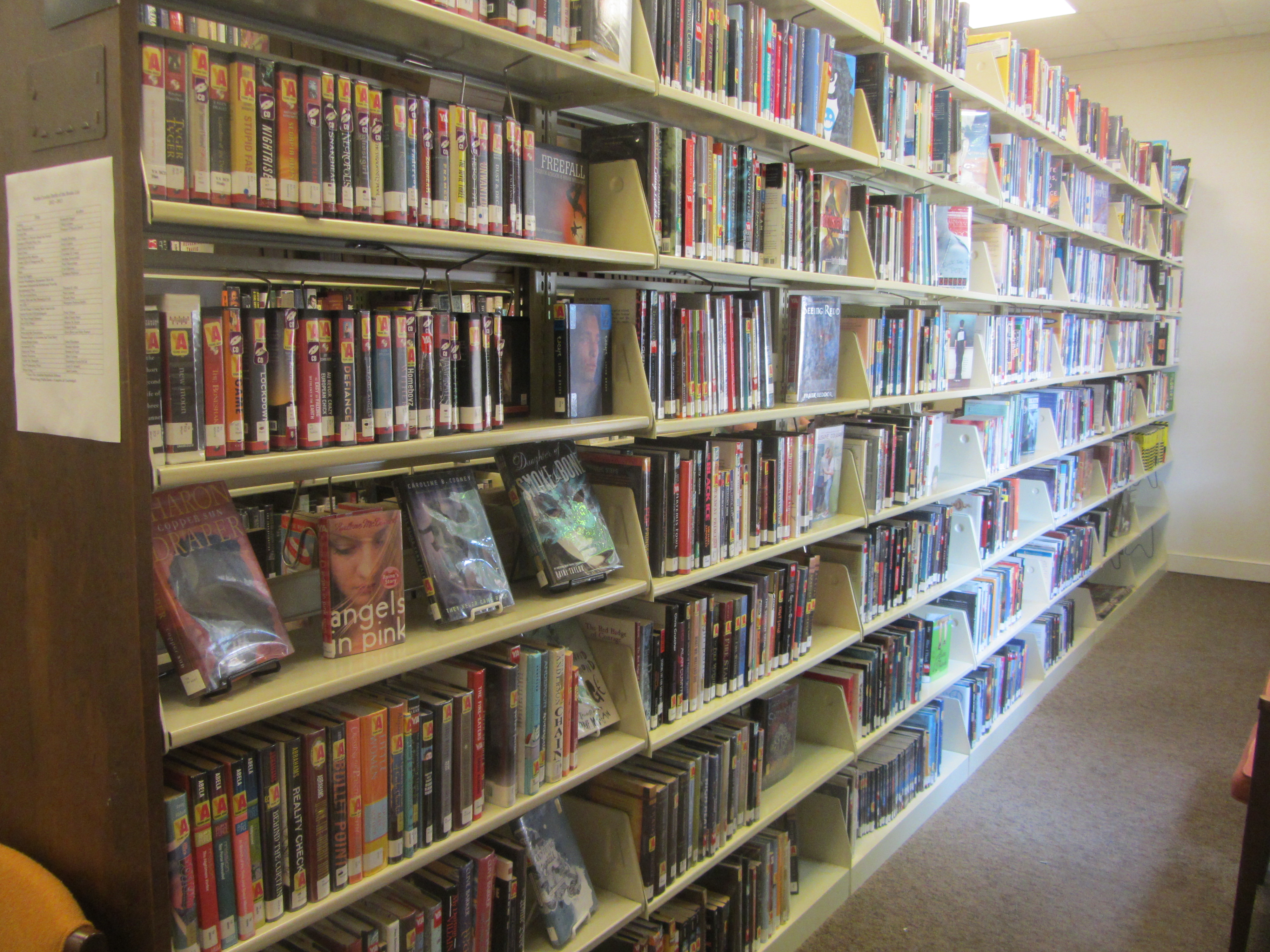
- Pictures of media center
- Bulletin boards pictures or layouts
- Pictures of students or groups of students involved in various activities
- Examples of media center guidelines for Acceptable Use of Internet or Copyright Rules
- Other examples or copies of standards or behaviors for the media center
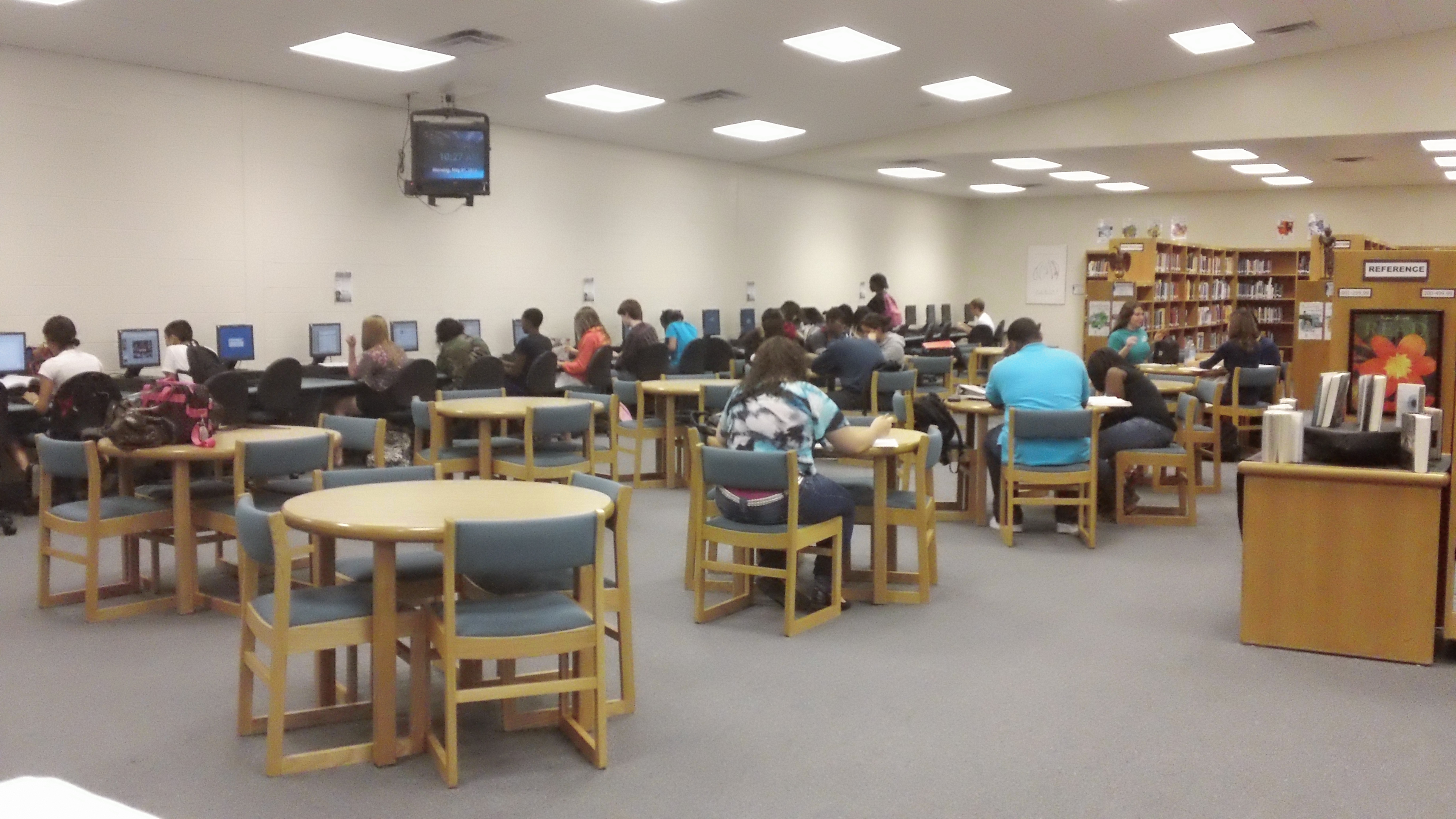
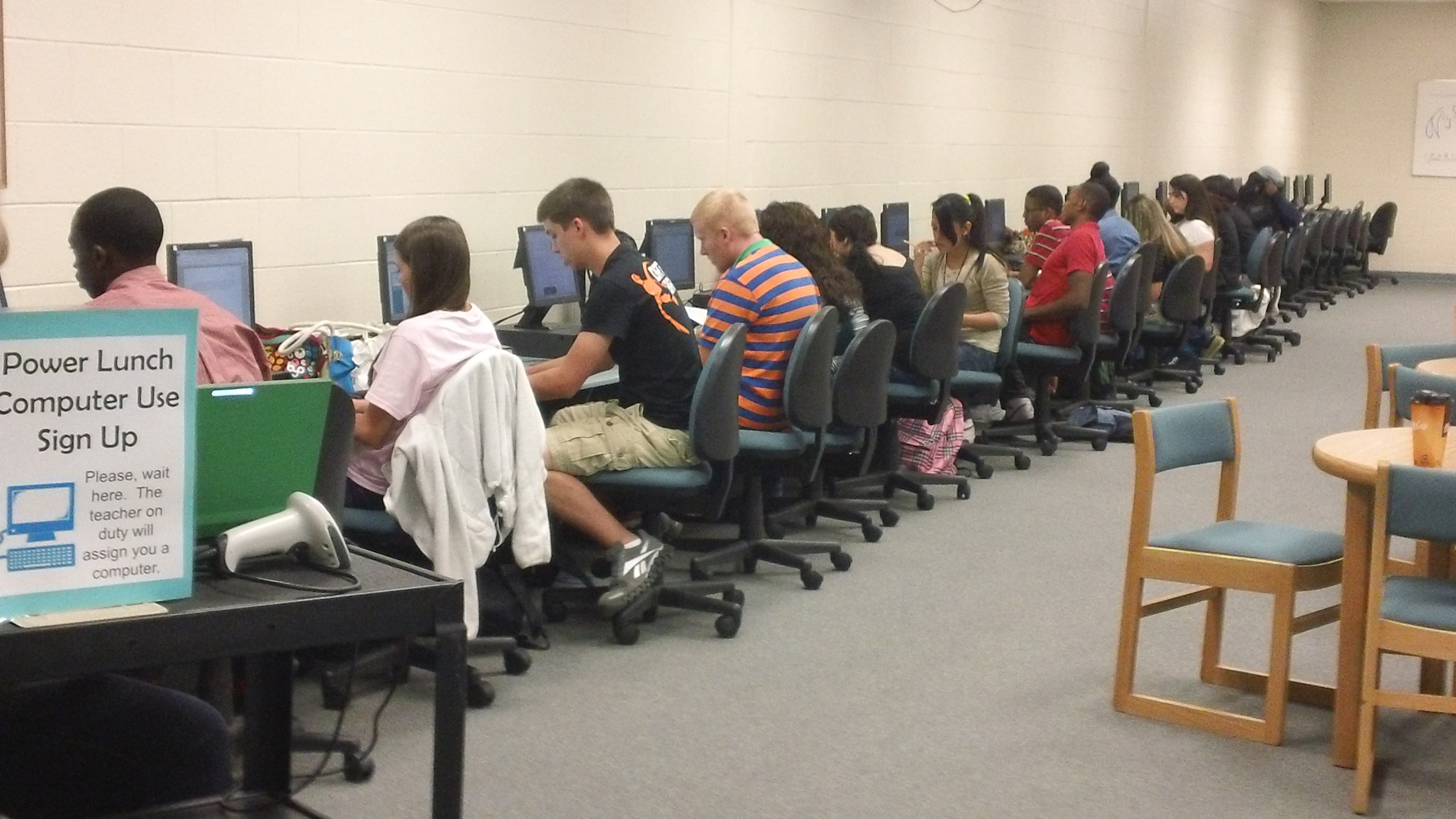
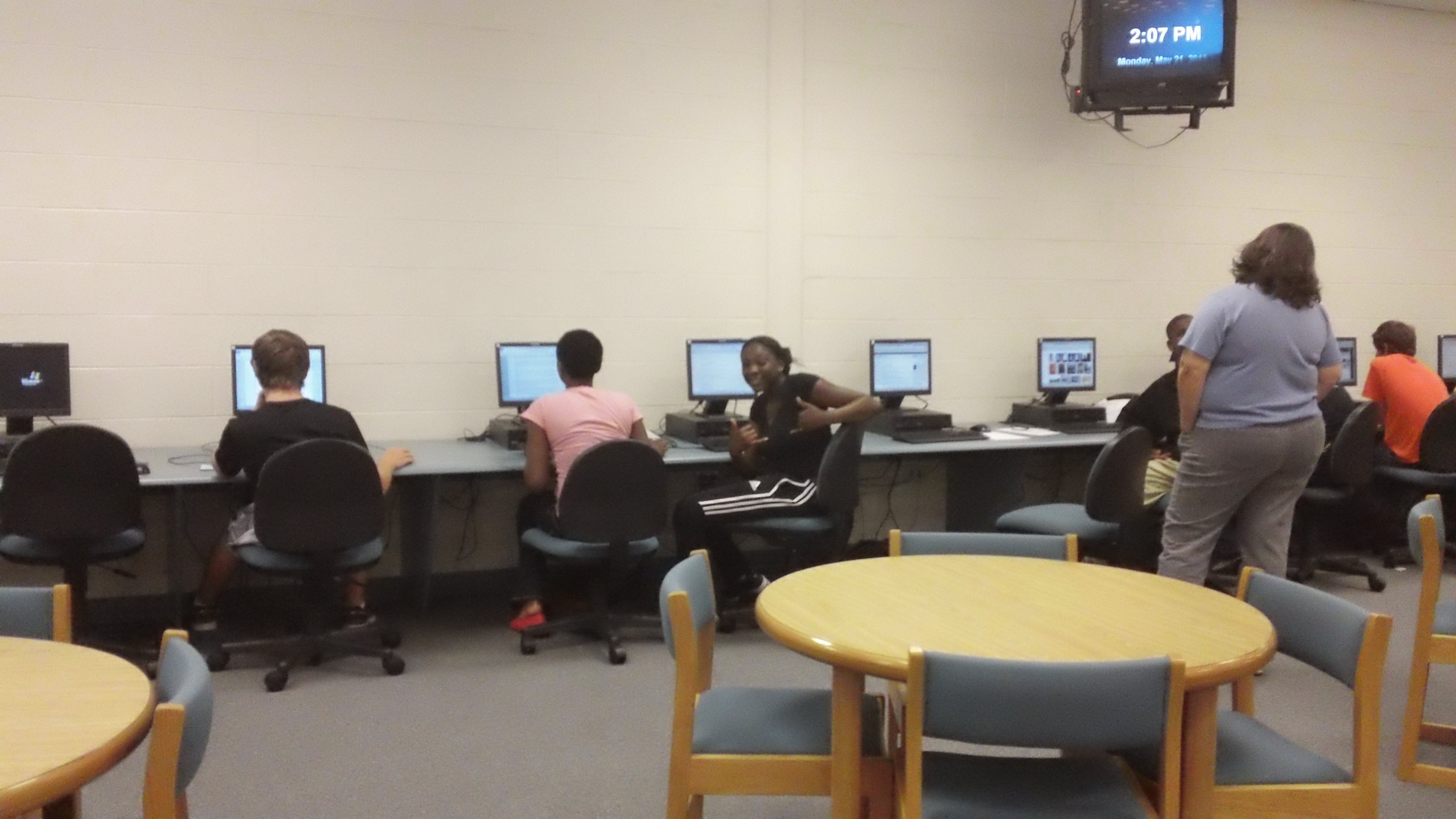
Students using the media center during Power Lunch. During this time students have access to all print and electronic materials as well as the expertise of the media center coordinator and additional teacher monitors.
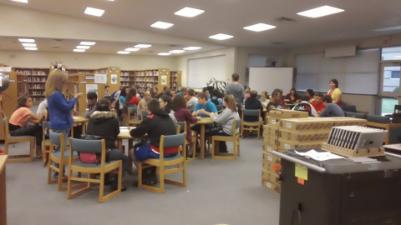 | Students using the media center space and new iPad cart for biology exam review. Teachers were having an upper level biology class work with Freshman to review exam concepts through the use of biology-realted apps on the iPads. The media center coordinator and I served as extra pairs of hands to provide both academic and technological support. |
 | Copyright Basics:
|
2.4 Encourages the widest possible use of print and electronic resources and services--within the school library media center, throughout the school, and through remote access. Possible artifacts include:
- Selection policies
- Collection development policies
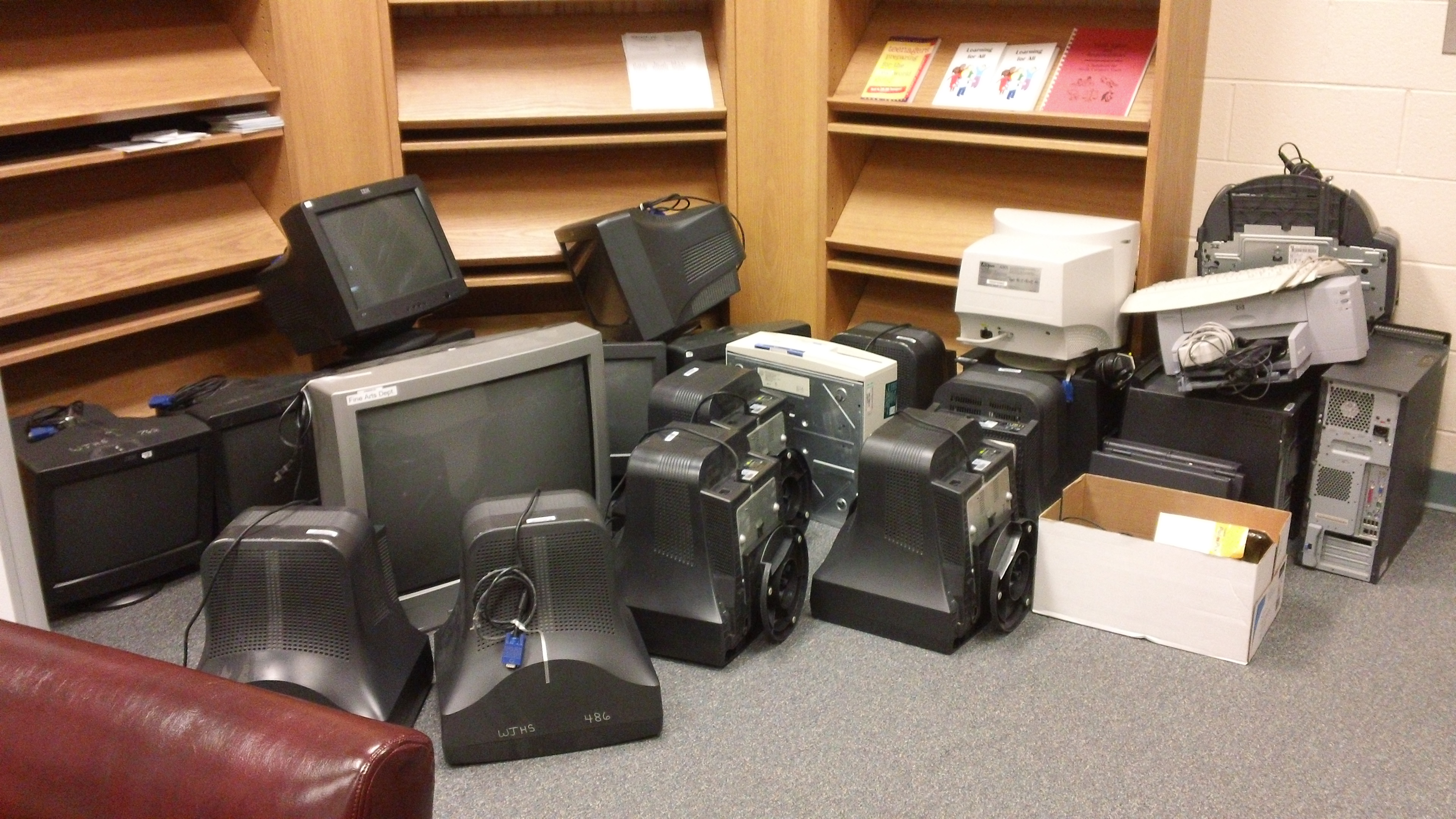
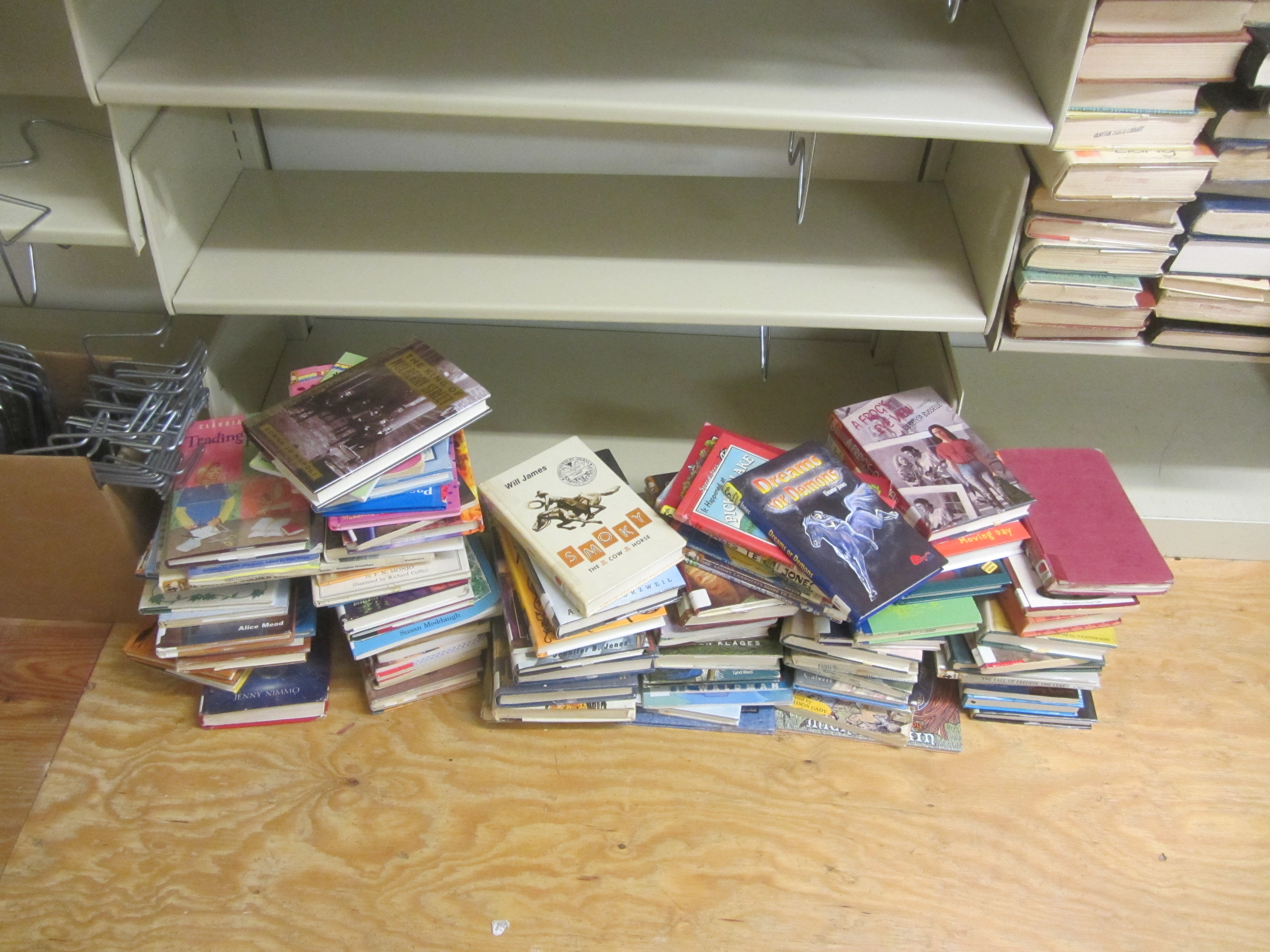
- Pictures of piles of discards or new materials
- Collection analysis graphs, spreadsheets
- Lesson plans
- Summary of interactions
- The media center offers teachers access to 10 laptop carts and and iPad cart for their students' use in the media center or in their classrooms. Teachers sign up for these carts elelctronically and reservations are based upon the order of the time-stamp on the request.
- Students are instructed on the use of the online public access catalog as well as how to utilize ebooks. Links to the catalog as well as the ebook database are provided on the front page of the media center's website and allow students access to the information and materials 24/7.
- the library catalog can be accessed via http://media.johnston.k12.nc.us/cataloging/servlet/presentadvancedsearchredirectorform.do?l2m=Library%20Search&tm=TopLevelCatalog
- ebooks can be accessed via http://infotrac.galegroup.com/itweb/bens89726?db=GVRL
- The school media center opens at 6:30 am, about 45 minutes before school starts, and remains open with few exceptions until 3:30, over an hour after school ends. Open circuation as well as reference interviews and readers' advisory services are provided during these times.
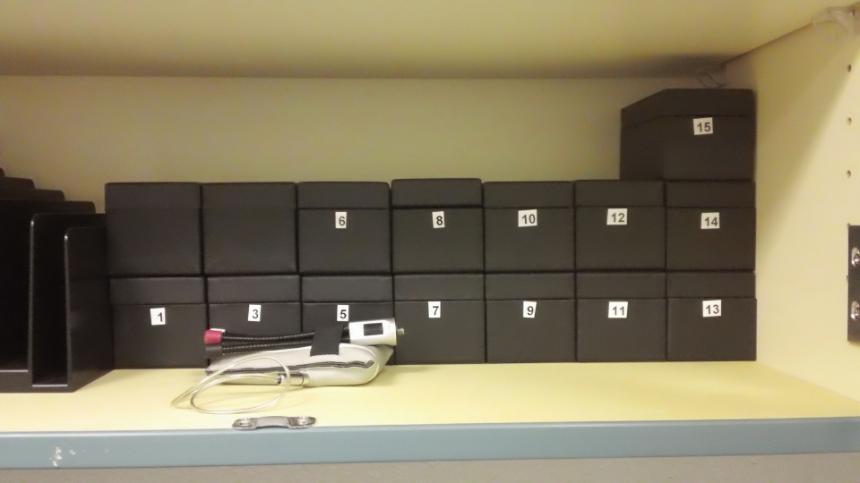
- Teachers have access to Sony Bloggie HD cameras to encourage multi-media project formats (see photo below of bloggies in boxes awaiting check-out).
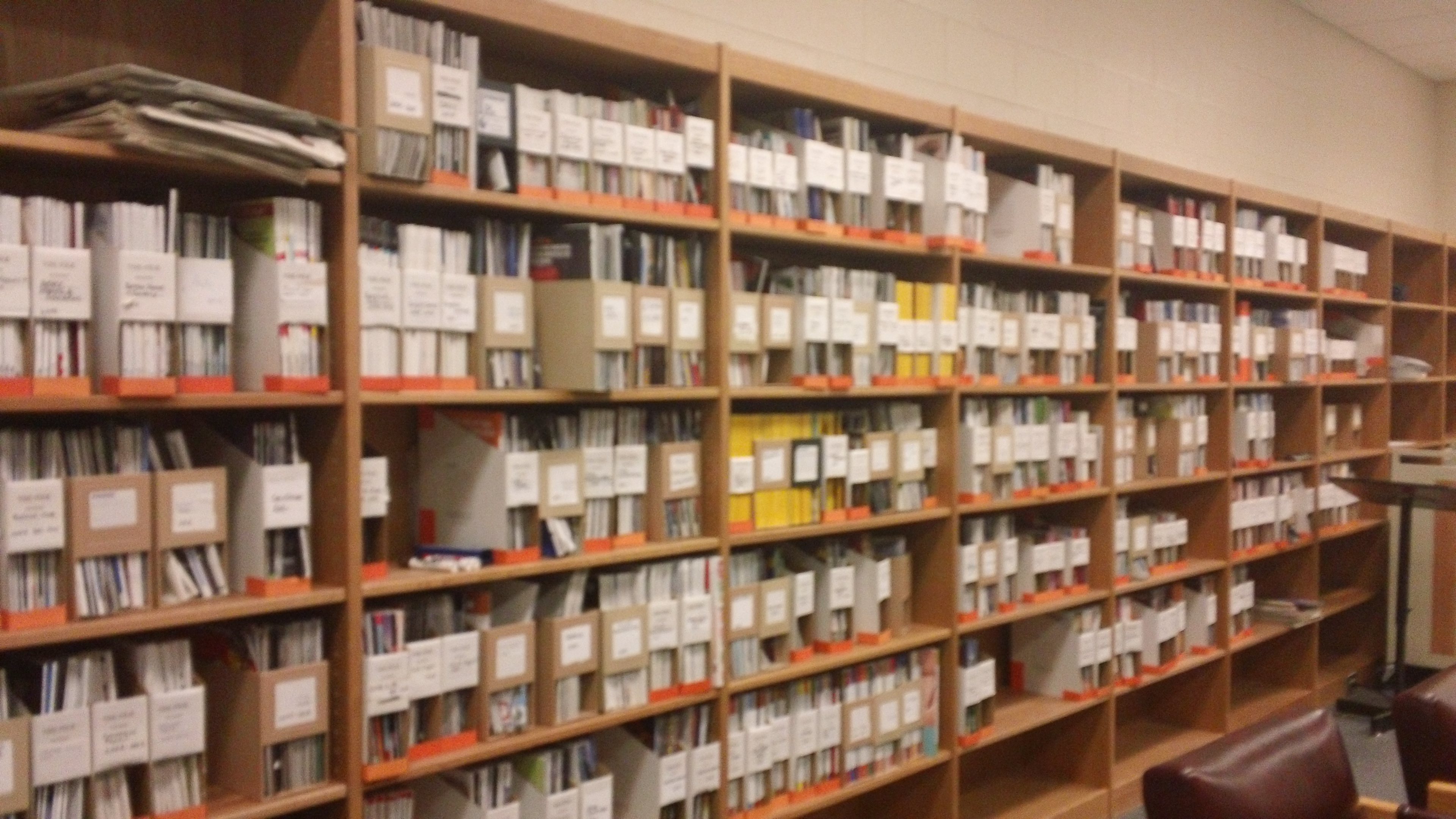
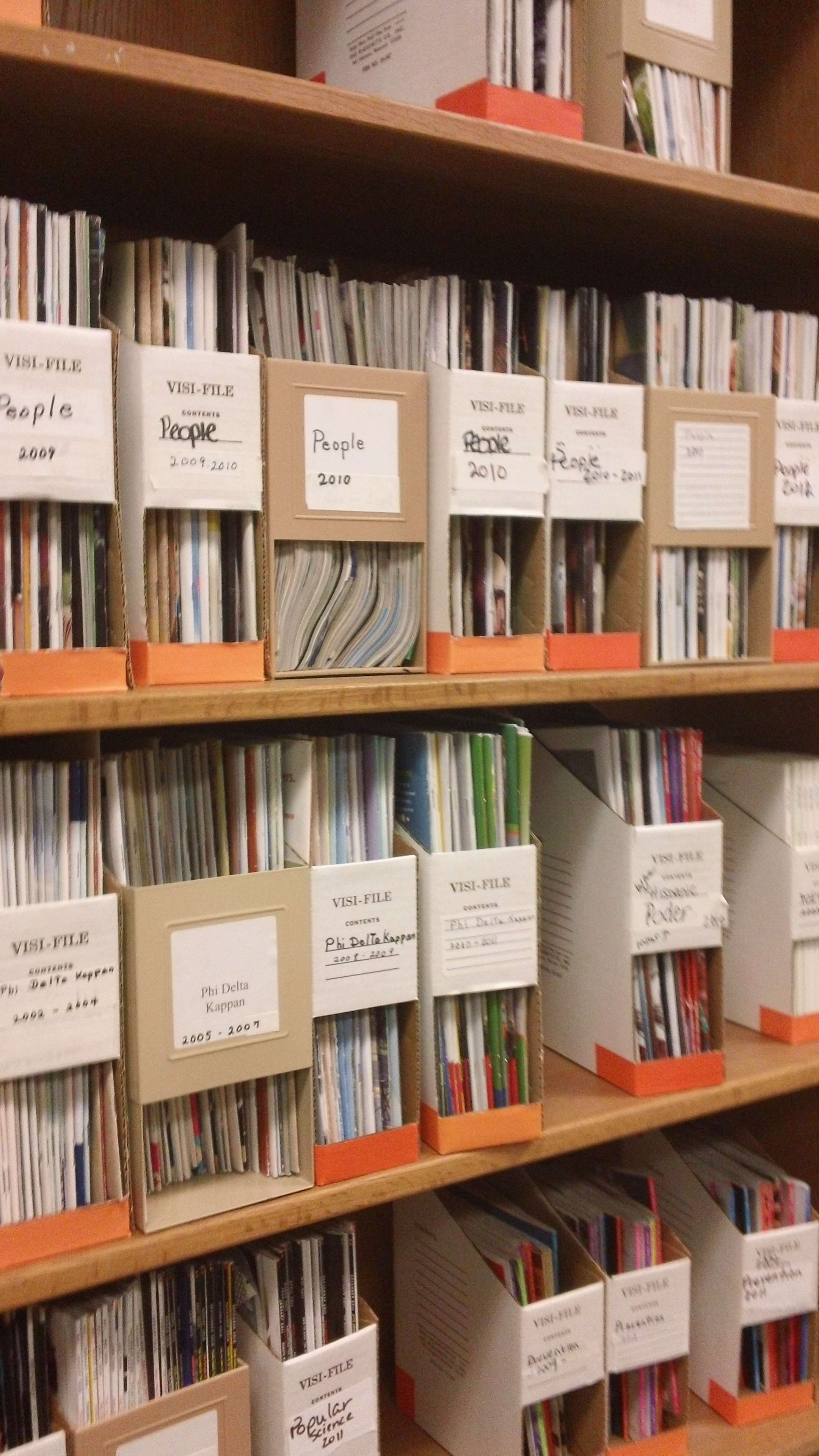
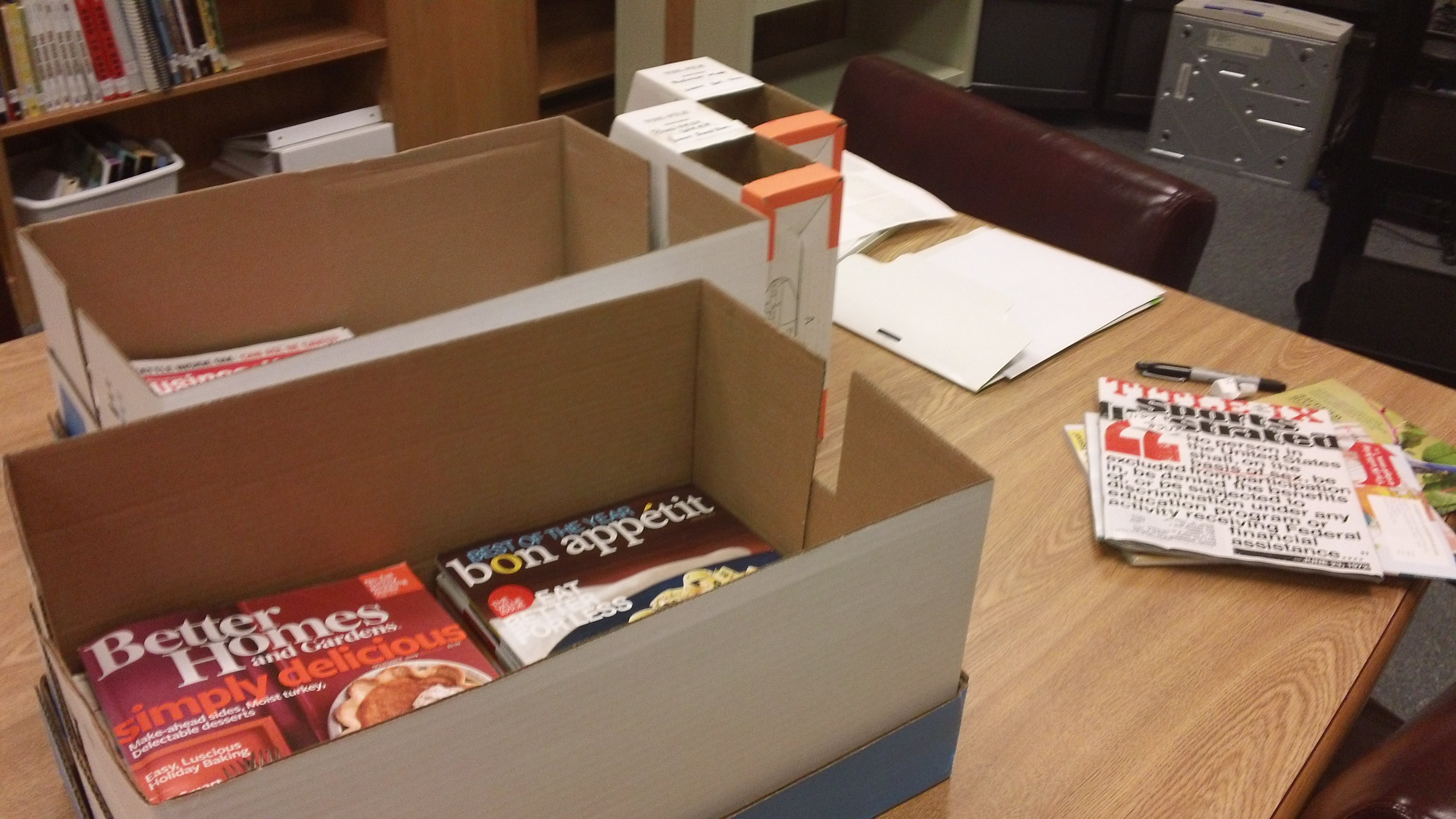
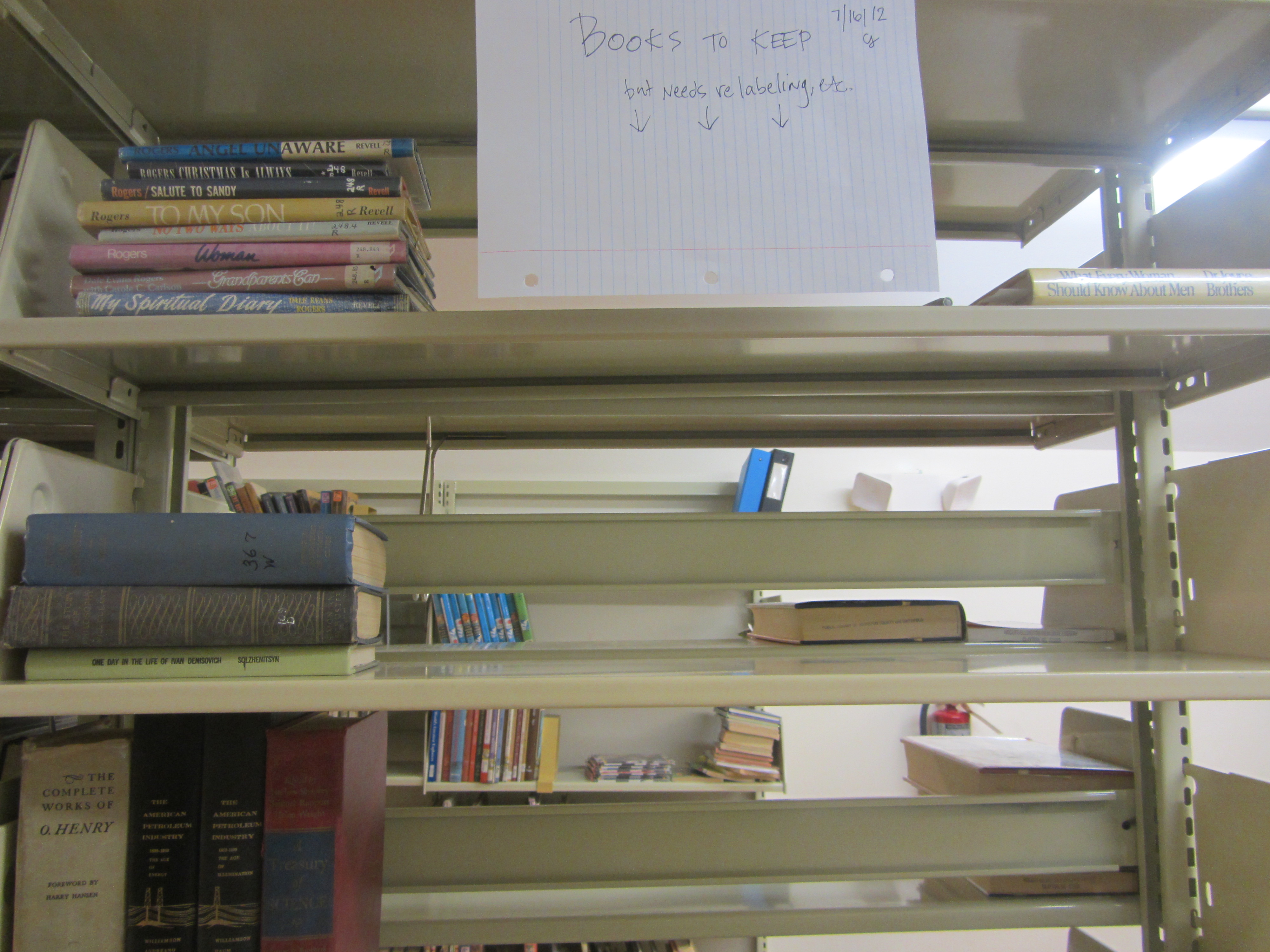
I was charged with weeding the library's periodical collection. Due to budget cuts, the library has cut its number of subscriptions by half over the past 3 years. The library maintains the last two years of holdings for current subscriptions and the last two years of holdings for all titles whose subscriptions have ended.
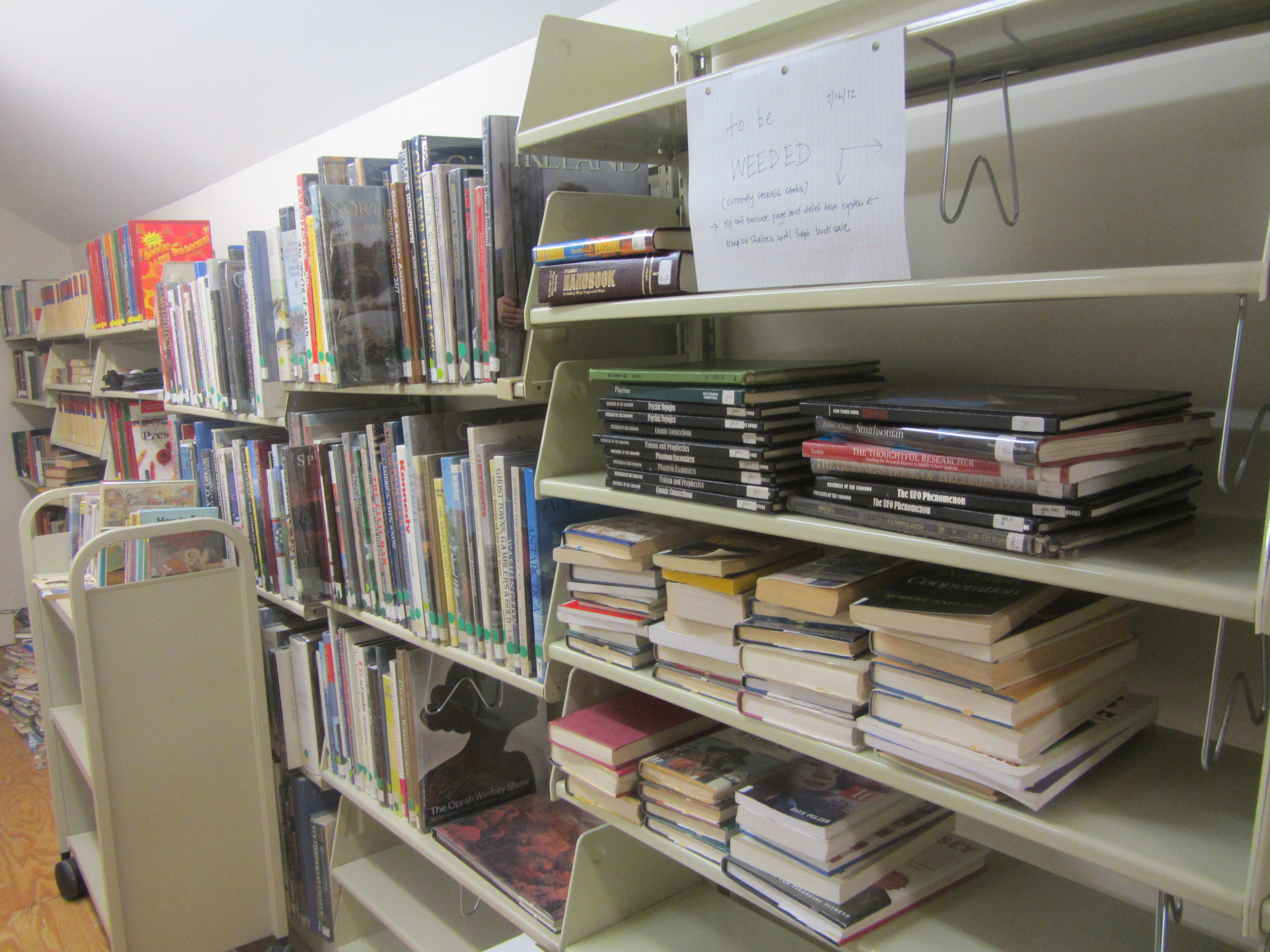
Weeding at the public library.
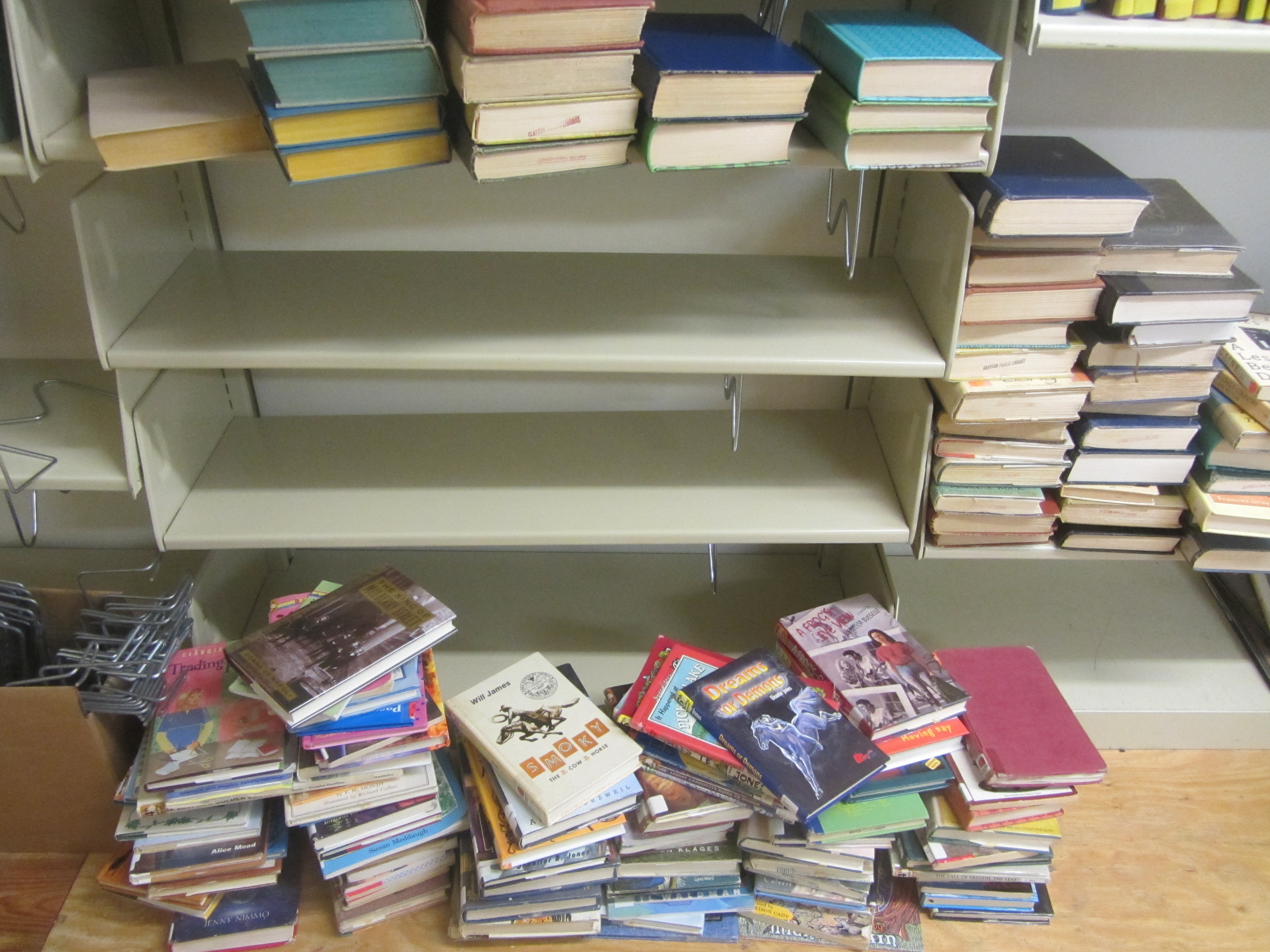
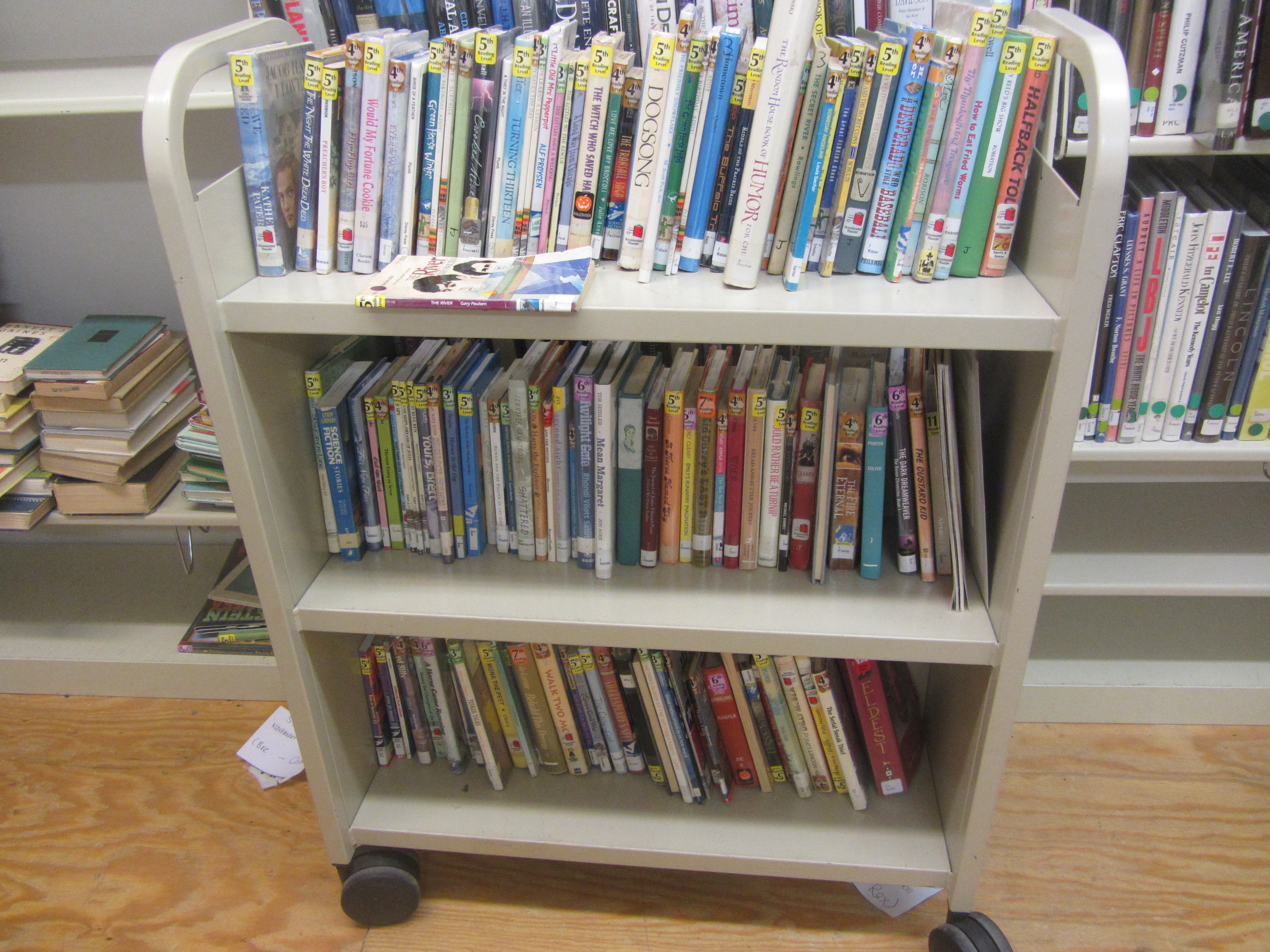
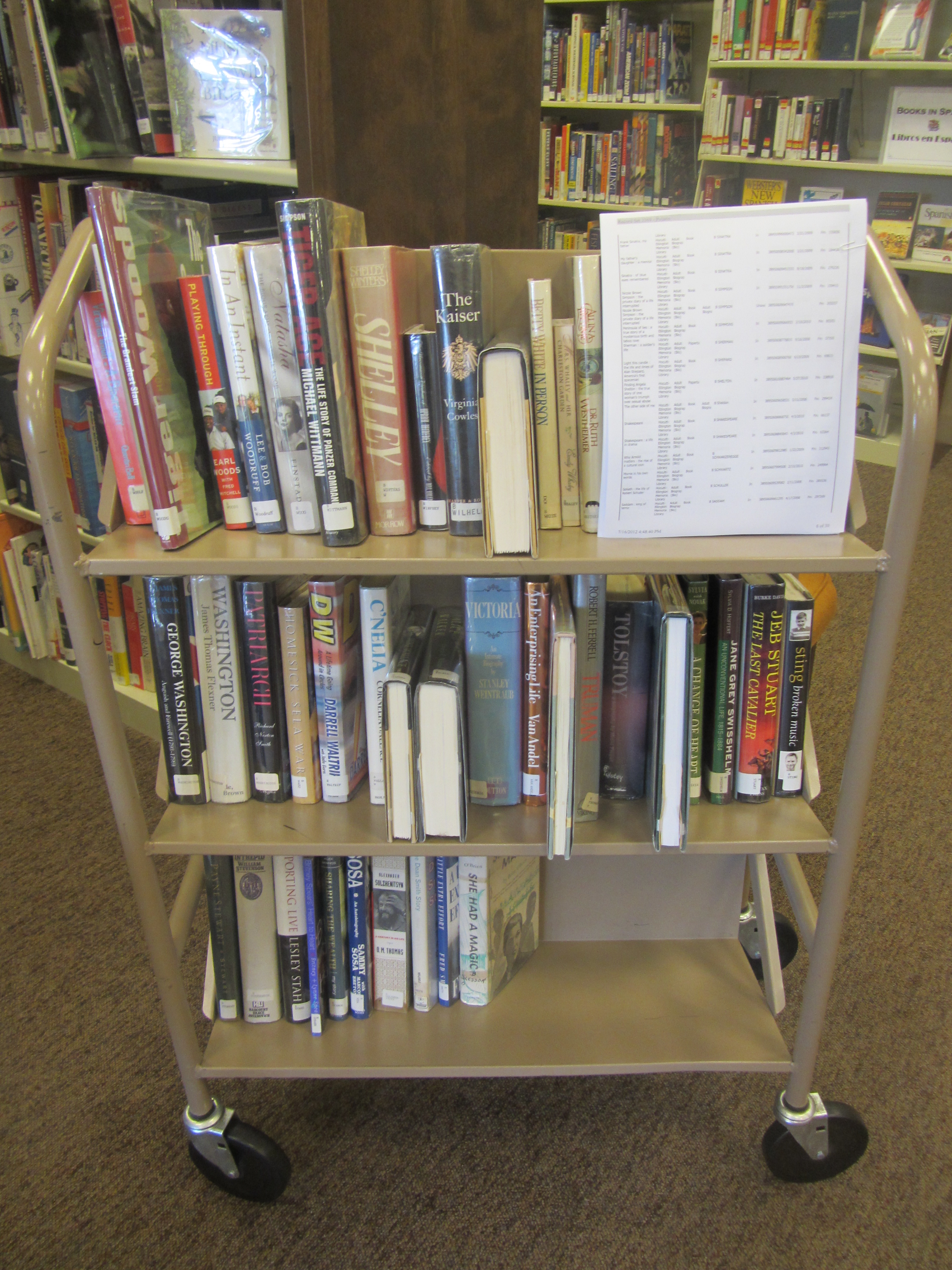
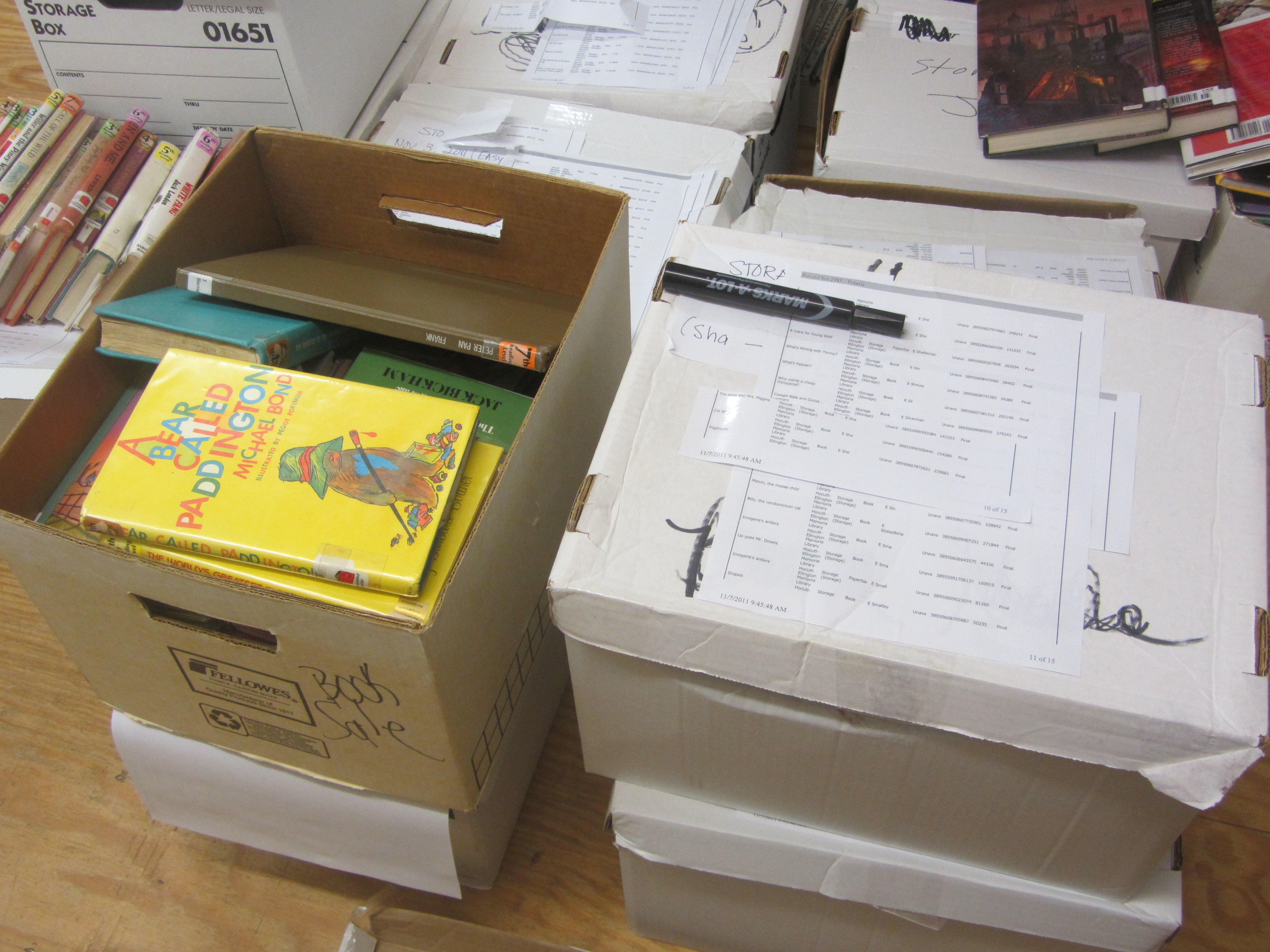
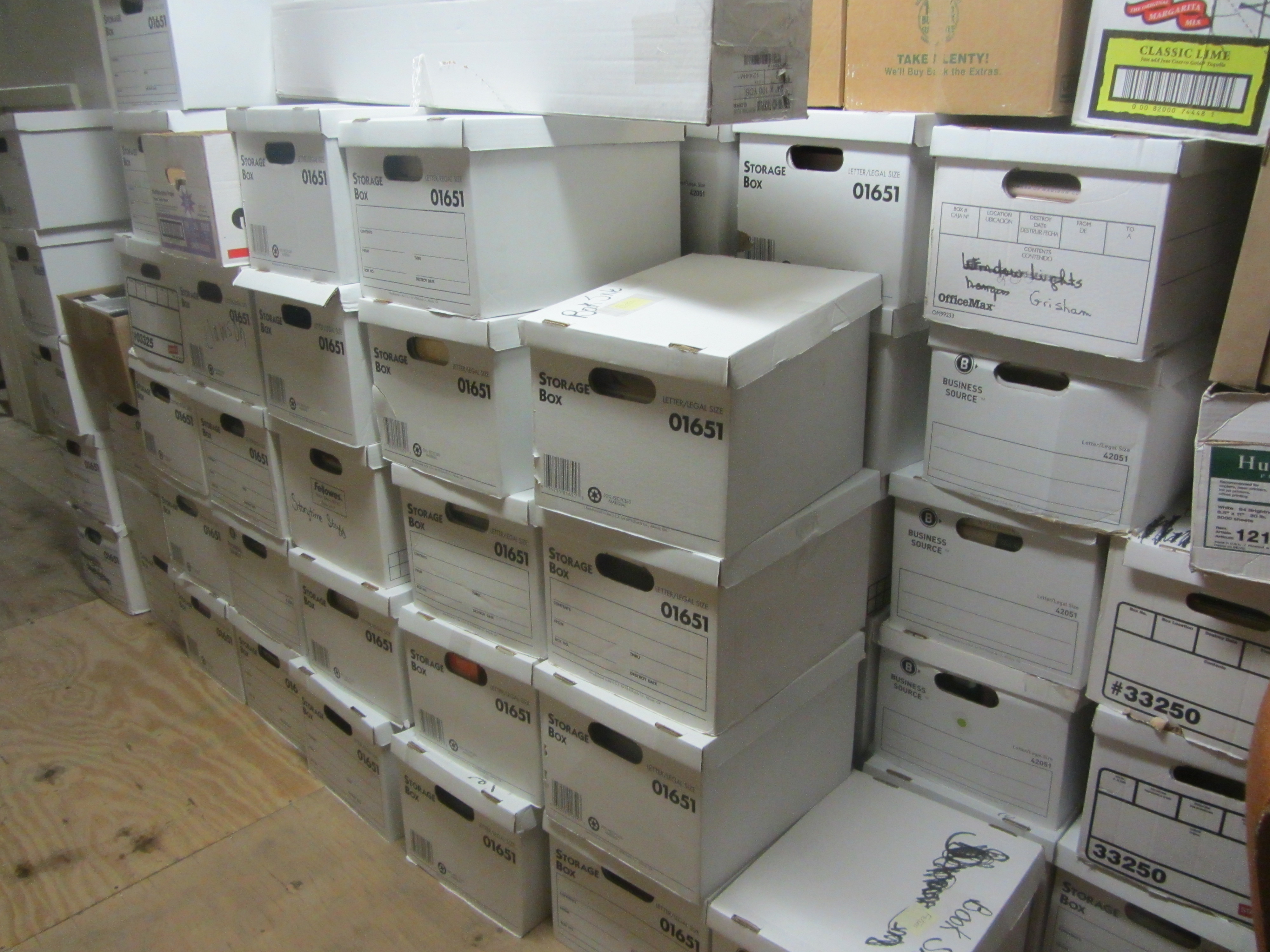
At the public library, the contents of the storage area were flagged for weeding and sorting in light of pending floorplan changes and the need for temporary storage space. The titles in storage were reviewed to replace lost or worn item in the main collection.
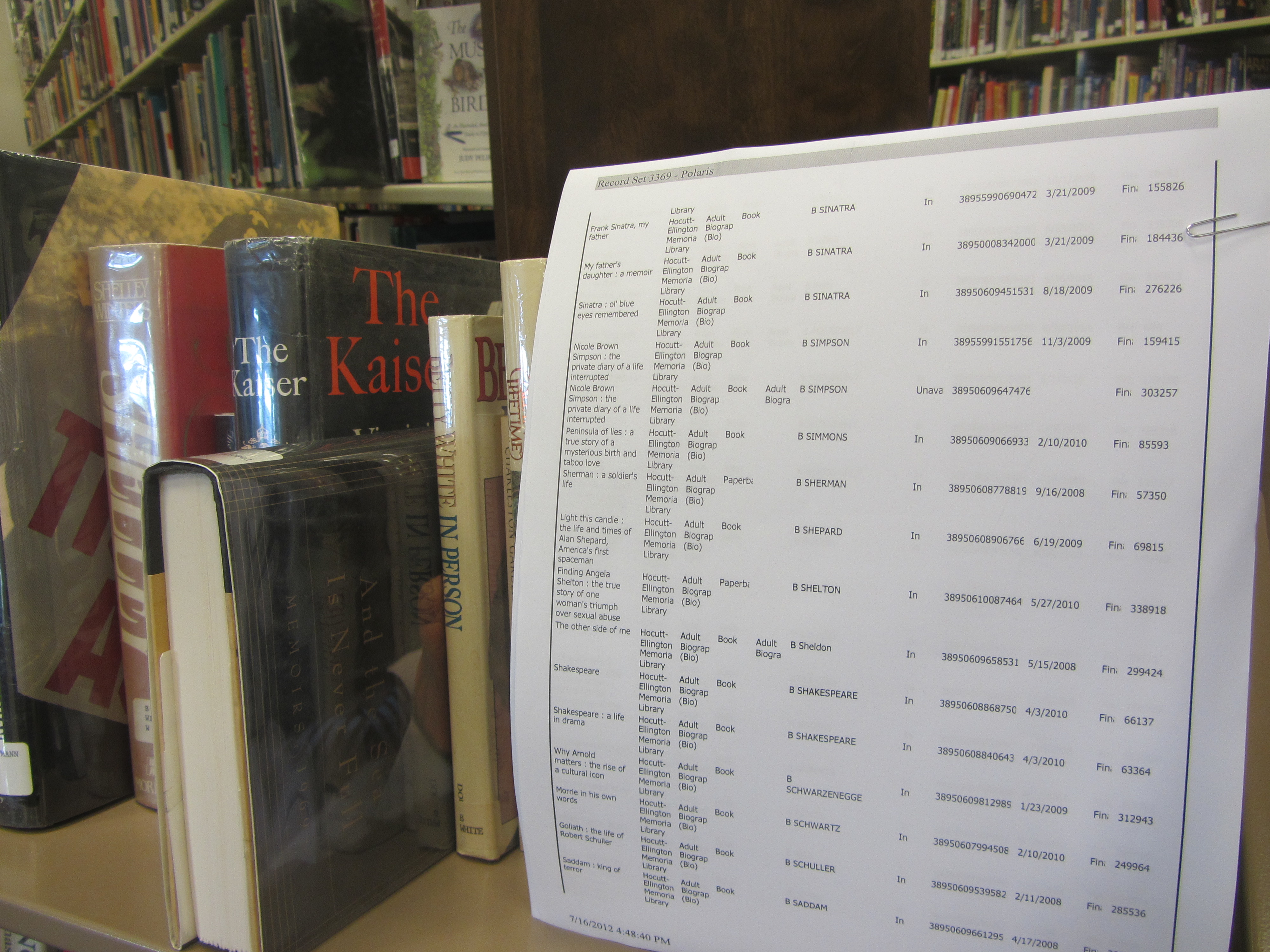
I also worked on a biography weeding project; biographies were flagged for potential weeding based upon circulation data indicating that they had not been checked out in the past two calendar years (photos 9 & 10).
|
x |
2.6 Adheres to and communicates copyright as well as other laws and guidelines pertaining to the distribution and ethical use of all resources. Possible artifacts include:
- School/district copyright policies
- Copies of posters or other information about copyright
- Examples of media center guidelines for acceptable use of internet
- Copyright rules or lesson related to copyright and acceptable use
At the beginning of the year, media center coordinators provide a Freshman orientation, including lessons on internet acceptable use policies and copyright issues. The media center coordinators continue to work with English teachers throughout the year (and of other subjects as well) to provide their students with information about the appropriate and ethical use of information of material as well. As my internship closed out with the school year, I had few opportunities to participate in educating faculaty, staff, and students on the tenets of copyright law, but I was able to address MLA style guidelines during some of my collaborative sessions on the research process.